
In 1921, Pastor Kirst of Beaver Dam, Wisconsin approached the LDA about opening a hospital there. The Deaconess Hospital Foundation and representatives of the LDA agreed that for the sum of $50,000, a large property on Beaver Lake was to be “purchased, remodeled, and equipped” and it would be assigned to the LDA. The stipulations were that the hospital would be “under the direct supervision of trained deaconesses and management of the Lutheran church”, that “patients of any or no creed were to be admitted to said hospital for treatment”, and that all “profits arising from the operation of the hospital shall be used only for the extension of local hospital purposes.”
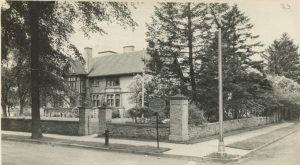
The Lutheran Deaconess Hospital at Beaver Dam was opened on February 1, 1922. 15 deaconess nurses were trained in its first 10 years. Local pastors assisted in teaching at the training school. Unfortunately, the hospital was not large enough for accreditation by the State Board and the students, therefore, could not become registered nurses. In 1934, it was decided to transfer ownership of the hospital to the newly organized Lutheran Deaconess Hospital Association of Beaver Dam.
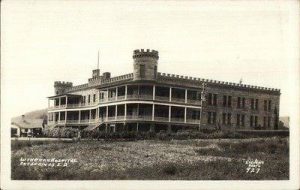
Another training school was operated for a short time in Hot Springs, South Dakota, from which two deaconesses graduated in 1927. In 1925, another
training school had been opened at the Bethesda Home in Watertown, Wisconsin. Ensuring that there were enough people to teach the deaconess and religious classes was a challenge. There was a concern that training three different groups of deaconesses could lead to “the rise of factions among out deaconesses and so endanger the unity that is necessary in an organization of this kind”. The LDA Superintendent at the time, H.B. Kohlmeier, felt that the students could not receive ‘sufficient instruction in deaconess subjects while taking the course in nurses’ training’. He also believed that the
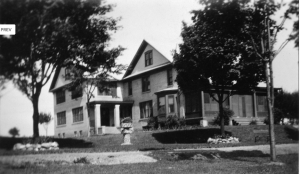
superintendent “should be well acquainted with the deaconesses and the deaconesses should know the superintendent well”. With the current arrangement of training classes in various locations, only a “superficial acquaintance” was possible. Kohlmeier was concerned that he would not be able to “place the deaconesses wisely”.
The LDA Board recognized the need to discontinue the training schools as they existed and instead creating one school in which all students could “receive their instruction and training directly under the supervision of the superintendent”. In September 1935, this Training School for Deaconesses was opened in the Deaconess Home in Ft. Wayne, IN.
The entrance requirements specified students who were: “graduate nurses, teachers, social welfare workers, or have other special training” in areas where they might serve as deaconesses. “Applicants must have the recommendation of their pastor and certificate of health by a physician”. The training lasted one year. In 1940, the training was lengthened to one and a half years, six months of which was used for practical training and experience in institutions or another field of service. In the Spring of 1941, plans were made for another extension of the training program. This would be put into effect when Pastor A.P. Krentz became superintendent.